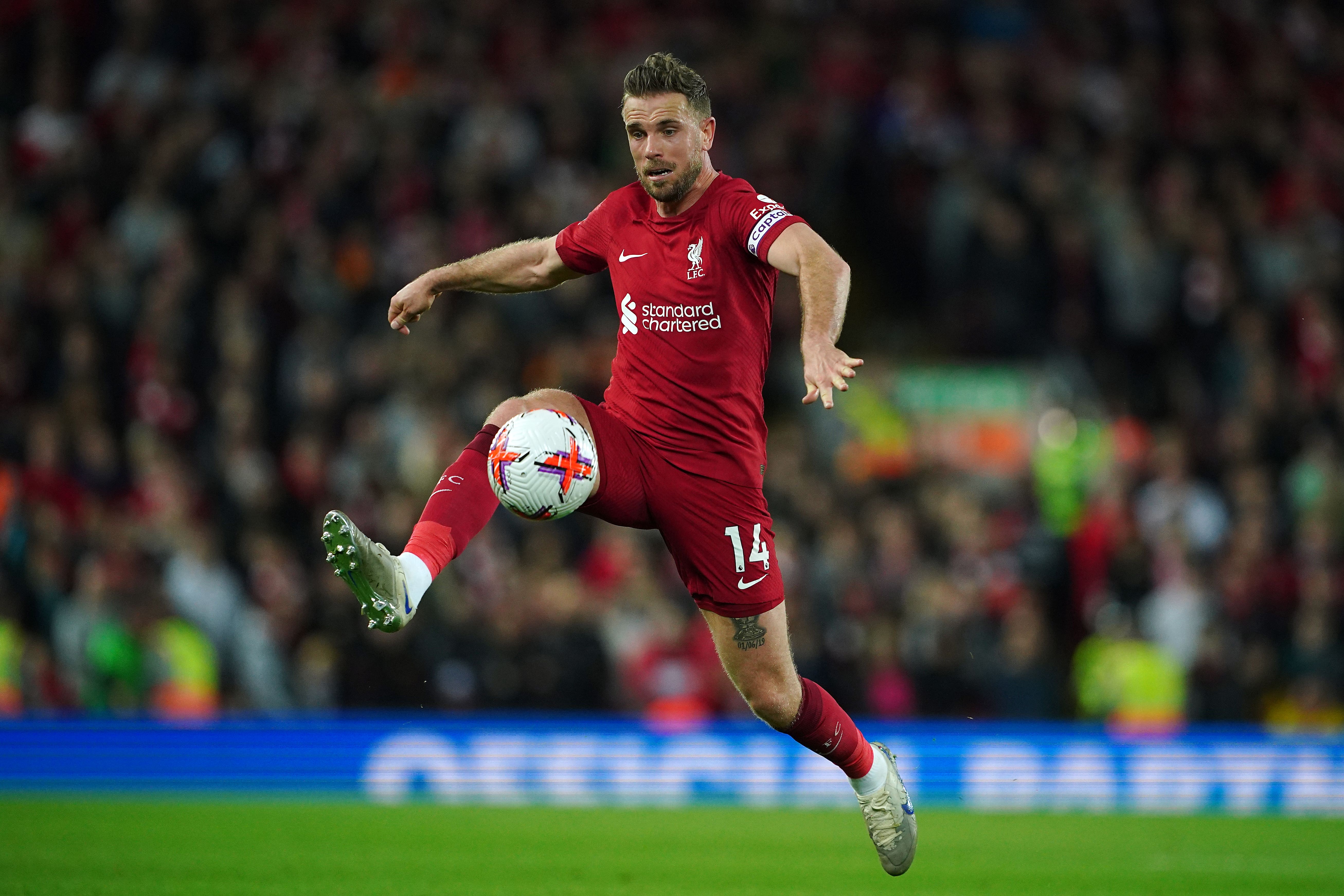
At 17, the dream is supposed to be alive. But here is Why Talented Players Quit Football at 17
The Truth No Academy Brochure Will Tell You
You’ve survived the early cuts.
You’re training four to six times a week.
You’re “talented.” Coaches say it. Parents believe it. Instagram shows it.
And yet, every year, thousands of gifted footballers quietly walk away at 17 — not because they lack ability, but because the system finally shows its real face.
This isn’t about “giving up.”
It’s about collision with reality.
17 Is the Most Dangerous Age in Football
Up to 16, football feels like progress.
At 17, it becomes a verdict.
This is the age where:
- Youth football stops being about development
- Professional football starts being about selection
- Potential turns into pressure
For the first time, players aren’t compared to kids anymore — they’re compared to contracts, quotas, and budgets.
And most don’t survive that shift.
1. The Contract Illusion Finally Breaks
Many young players believe one myth:
“If I’m good enough, I’ll be signed.”
At 17, they discover the truth:
Being good is not enough.
Clubs look for:
- Physical maturity (often genetic, not earned)
- Short-term readiness, not long-term ceiling
- Market value, not creativity
A late-maturing playmaker loses out to an early-developed athlete.
Not because he’s worse — but because he’s less useful right now.
For many, that realization alone ends the dream.
2. Talent Gets Replaced by Timelines
Academies don’t develop forever.
They run on:
- Age brackets
- Squad limits
- Release windows
At 17, the question is brutal and binary:
“Will this player help us in the next 12–24 months?”
If the answer isn’t a confident yes, the player is out.
No transition.
No second pathway.
No safety net.
Just a quiet release email and a suggestion to “keep enjoying football.”
3. Burnout Hits Harder Than Injury
By 17, many talented players are already exhausted.
Not physically — mentally.
Years of:
- Constant evaluation
- Fear of mistakes
- Playing not to lose
- Living for selection lists
Football stops being expression.
It becomes surveillance.
Some players don’t quit because they can’t continue.
They quit because they can’t feel anything anymore.
4. The Body Changes — and the Game Changes With It
Between 16 and 18, football becomes brutally physical.
Players who dominated on technique suddenly face:
- Stronger defenders
- Faster pressing
- Higher injury risk
- Less time on the ball
If your game is intelligence, timing, or creativity, this phase can feel like punishment.
Many gifted players are told:
“You’re talented, but you’re not ready.”
And they never get the time to become ready.
5. Education vs Illusion: A Silent Fork in the Road
At 17, reality intrudes.
School, university, work — all start demanding commitment.
Families ask hard questions:
- “What’s the plan if this doesn’t work?”
- “How long can we wait?”
- “Is this still realistic?”
When football offers uncertainty and silence, while life offers structure and clarity, many choose the safer road.
Not because they don’t love football —
but because football won’t promise anything back.
6. The Worst Part: They Leave Without Closure
Most talented players don’t quit after a big failure.
They quit after:
- Being benched with no explanation
- Being released without feedback
- Watching less talented players advance for non-football reasons
There’s no dramatic ending.
Just a slow emotional withdrawal.
Training feels heavier.
Motivation drops.
And one day… they stop showing up.
This Is Why So Many “What If” Players Exist
Every coach knows them.
Every scout remembers them.
Every fan says the same thing:
“He could’ve made it.”
But football doesn’t reward “could have.”
It rewards:
- Timing
- Fit
- Opportunity
- Luck
Talent is only the entry ticket — not the guarantee.
Why Talented Players Quit Football at 17: What This Means for Players and Parents
If you’re 15–17 and chasing the dream, understand this:
- Quitting doesn’t mean you failed
- Being released doesn’t mean you weren’t good
- Leaving football doesn’t erase your talent
And if you continue, you must do it with eyes open, not blind belief.
Because the real danger at 17 isn’t losing football.
It’s letting football define your worth.
Final Thought
Most talented players don’t quit because they lack ability.
They quit because the system runs out of patience before they run out of potential.
And that’s the part football rarely talks about.